-

Guides
The Loyalty Landscape
Christmas bookings for 2024 are up by 54% compared to the number of reservations that had been made by this time last year.
Has the soggy summer weather convinced Brits to start planning Christmas early? Latest insight from Zonal reveals that bookings for Christmas 2024 are up by 54%, compared to this point in 2023.
Over half of the bookings (52%) that have already been made for this coming December are for Christmas Day itself, compared to 44% this time last year. Saturday 14th December 2024 is currently the most popular day for bookings in the festive period, followed by Saturday 7th December.
When it comes to group bookings (covers of 10 people or more), reservations are up 38% in comparison to this time in 2023 and group bookings currently account for 26% of the total bookings for this December. All of which points to a potential cracker of a Christmas for the hospitality industry this year.
Commenting on the findings, Tim Chapman, Chief Commercial Officer, Zonal, said: “Our insights show that Christmas 2024 is already looking positive for hospitality – with bookings up on this time last year. With group bookings looking to be particularly popular, there is even more reason for operators to celebrate, but to also get prepared. Operators will therefore benefit from having a booking system in place which is able to facilitate large party bookings, enquiries, and pre-order functionalities. This will reduce any admin headaches while giving operators full visibility and control at the busiest time of year.”
Guides
The Loyalty Landscape


Research
GO Technology: The social value of hospitality

Webinars & podcasts
People Make The Experience: How Your Staff Drive Customer Loyalty
Webinars & podcasts
It Should Feel Like Magic, Not Marketing: Personalisation, Loyalty & Data in Hospitality
Webinars & podcasts
Loyalty That Lasts: Growing with Guests, Not Just Points
Webinars & podcasts
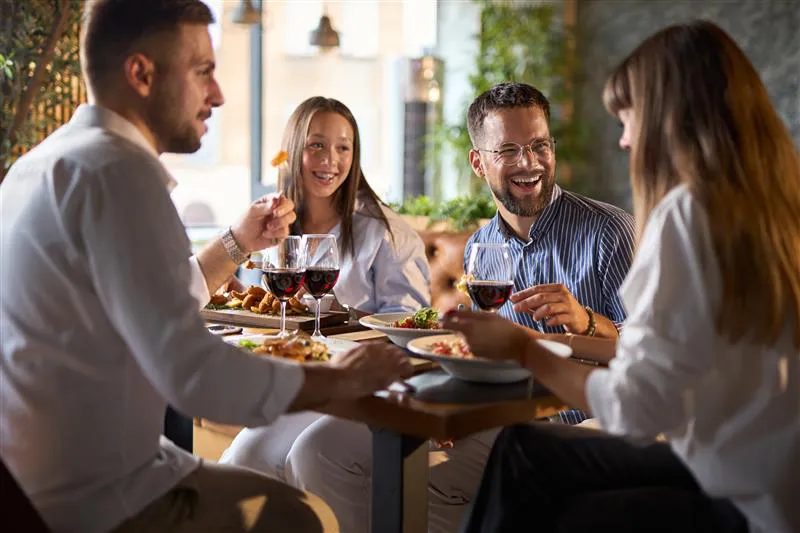
What Diners Want: The New Rules of Loyalty in Hospitality

Blog
How hospitality businesses can create ‘Superfans’

Blog
How loyalty can help tackle no shows
Booking systems have become an essential requirement for running pubs, restaurants, and bars, but if it’s not something you heavily rely on, when it comes to maintenance, it’s also an area that often gets forgotten.
Outside of work, I’m part of a management committee for a community owned pub in North Wales, and it was one of the first things I set out to install and promote the importance of.
The site only has a 34-seater dining area, and we’ve historically been much more wet-led, with a lot of regular drinkers. However, after implementing table bookings, we saw an immediate uptake in online bookings, bringing in between 20-30 covers every day that we are open for food. This has helped hugely with the planning of bar and kitchen rotas, as well as stock ordering.
When deciding whether to implement a booking system, there are three key areas worth considering, which also serve as important reminders for those who have already adopted a system:
Convenience: Customers can easily make reservations online, at any time of day, reducing the to call. This not only allows the customer to do this at a time convenient to them, but it can also reduce the staffing levels needed at site.
We saw that over 72% of those who had booked online had made those bookings at times when the pub was not open – when no one was on site to pick up the phone.
Reducing wait times: By managing reservations effectively, the system can minimise wait times, improving the overall dining experiences.
Better table management: A booking system helps optimise table assignments and turnover rates, ensuring that tables are used effectively. Having a two-way integration between your POS and booking system means you have real-time awareness of what stage a guest is at in their visit.
Before we had a booking system at our community-owned pub, we had a pen and paper diary, so we were much more reserved when trying to plan table arrangements and assignments. It even stopped us taking bookings with confidence.
Staff management: Having systems in place can assist with better forecasting of busy periods, aiding in appropriate staff scheduling and resource allocation.
Customer insights: Booking systems collect data on customer behaviour and preferences, which allow for measurements in trends and demand. Knowing what your online guests are wanting to make a booking for can help the operator make decisions on layouts, floor plans and menu builds.
Targeted promotions: Once you have a booking platform in place, you can link the data collected from the system into CRM and loyalty platforms to take your marketing activity to the next level. Loyalty programmes bring increased customer retention, engagement and revenue when able to adopt more direct and relevant marketing.
To help our customers get more out of their booking system, the Customer Success team at Zonal have implemented a “Bookings Health Check” for those who use the Zonal Bookings suite.
Our aim is to reach any Zonal customer who may need more support or who doesn’t have a big head office team behind them.
The review is broken down into 3 areas. You’ll be able to choose from one of the 3 to be reviewed. These are: Pre-order, Capacity Management and Booking Journeys.
Once the review has been completed, you’ll be supplied with a document outlining any suggested changes that can be made, or an offer of support to discuss 1-2-1 over a Teams call – making sure you’re getting the most out of Zonal Bookings.
If you’re interested in taking part in a Bookings Health Check, simply click here to complete the online application form.
Your request will be sent direct to the Customer Success team, and you’ll receive a notification from them to say that your review is underway or being scheduled.
To discover more about Zonal Bookings, visit www.zonal.co.uk/bookings

Head of Customer Success at Zonal at Zonal
Natalie is the Head of Customer Success at Zonal. Having worked in the hospitality sector for 17 years, in roles ranging from front of house, business development, event co-ordination and leading a project team, it brings an understanding of how various teams operate. Specialising in Bookings, Natalie is passionate at ensuring users get the most out their systems and ultimately driving operational efficiency as well as bottom line. In her spare time, Natalie is on the management committee of a Community Owned Pub in North Wales, which brings with it a wealth of knowledge in experiencing the day to day issues and challenges faced within a business.

Latest insight from leading hospitality technology partner Zonal, reveals Father’s Day bookings are up 44% compared to last year, as Brits gear up to celebrate their dads over a Euros-packed weekend.
Dinner reservations for this Sunday are up a staggering 66% in comparison to last year, as dads and their families come together to cheer on the Three Lions. Lunchtime bookings are also popular, up 52% YoY, as guests look to take full advantage of enjoying the first restriction-free Euros tournament since the pandemic.
Commenting, Tim Chapman, Chief Commercial Officer, Zonal, said: “’The fact that operators are in for a bumper weekend of Father’s Day bookings is a step in the right direction for hospitality. Ahead of Sunday, it’s important for operators to utilise their booking systems to capitalise on the opportunities they provide, such as taking advantage of upselling opportunities with Father’s Day packages and promoting pre-orders for food and drinks to maximise revenue.
“It’s key to get this right – as the tournament goes on and our home nations potentially progress, operators can only expect the demand to grow, so it’s important to be prepared.
“Having the right tech in place can help venues streamline operations during busy periods whilst ensuring customers have seamless experiences – from ordering and paying directly from tables to being able to amend bookings digitally. This combination ensures a winning experience for both dads and football fans, not to mention more profits for operators.'”
Guides
The Loyalty Landscape
Research
GO Technology: The social value of hospitality
Webinars & podcasts
People Make The Experience: How Your Staff Drive Customer Loyalty
Webinars & podcasts
It Should Feel Like Magic, Not Marketing: Personalisation, Loyalty & Data in Hospitality
Webinars & podcasts
Loyalty That Lasts: Growing with Guests, Not Just Points
Webinars & podcasts
What Diners Want: The New Rules of Loyalty in Hospitality
Blog
How hospitality businesses can create ‘Superfans’
Blog
How loyalty can help tackle no shows

Our previous GO Technology research revealed that hospitality still plays an important role in people’s social lives despite cost pressures, but with 49% of consumers saying they’d become less loyal to a brand after a few bad experiences, it’s incredibly important for hospitality businesses to deliver frictionless experiences that meet guests’ expectations, without any frustration during the journey.
This exclusive research of 5,000 hospitality consumers reveals the biggest frustrations guests encounter when engaging with venues, both in-venue and pre-visit, how these frustrations differ between demographics, and what actions they are likely to take following a frustrating experience.




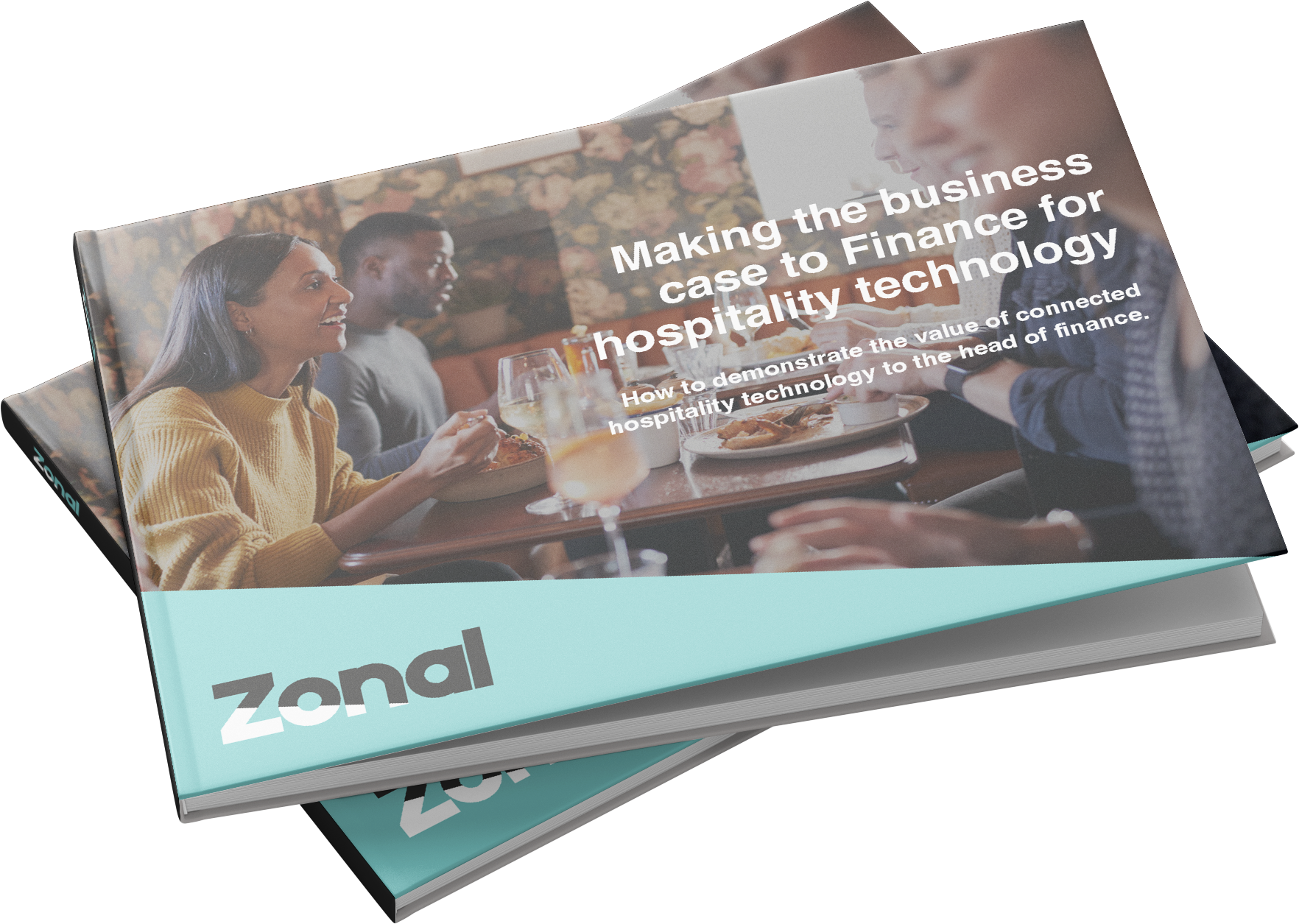
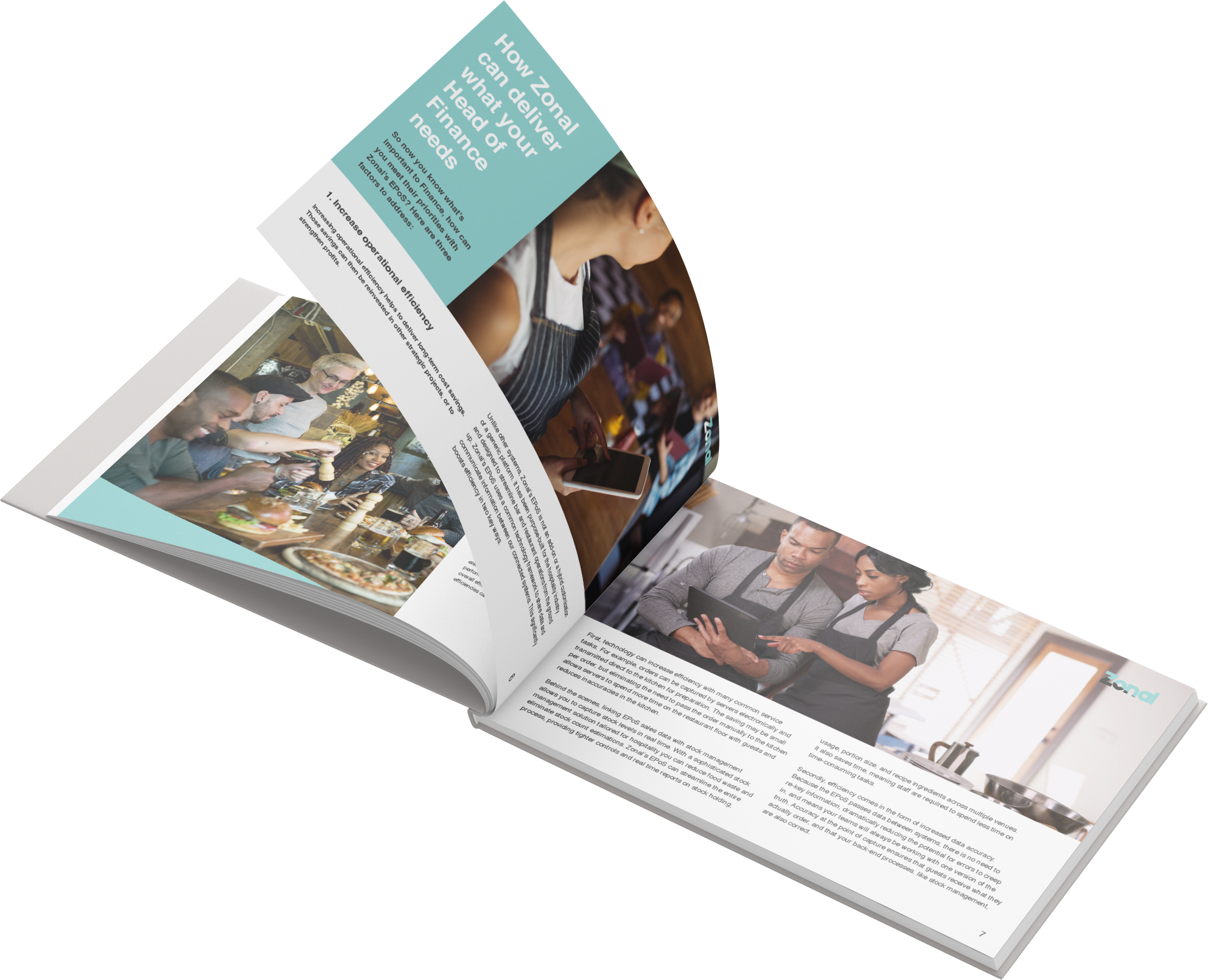
As an operator working day-in, day-out with your front- and back-of-house teams, you may already be acutely aware of the tangible benefits your technology can offer to your business. However, it can be difficult to “sell” those benefits across for stakeholders within the business that may not be direct users of the technology on a daily basis.
In this guide, we explore how hospitality technology can also meet the needs of your finance team, how the operational improvements it brings can have a positive impact on the wider business, as well as how it can help to deliver more accurate, data-driven insights that facilitate better decision-making to drive the business forward.


With cutting costs and maximising margins front-of-mind for many hoteliers, ensuring you have the right technology in place to collect, capture and report on operational data from your bar & restaurant is integral to making better, more informed decisions.
Discover how specialist hospitality technology can transform your hotel’s back-of-house F&B operations, from automated and streamlined processes that result in frictionless experiences for guests, to real-time, reliable data collected at every touchpoint within the restaurant that increases reporting accuracy for stock management and business performance to help you cut costs and boost profits.


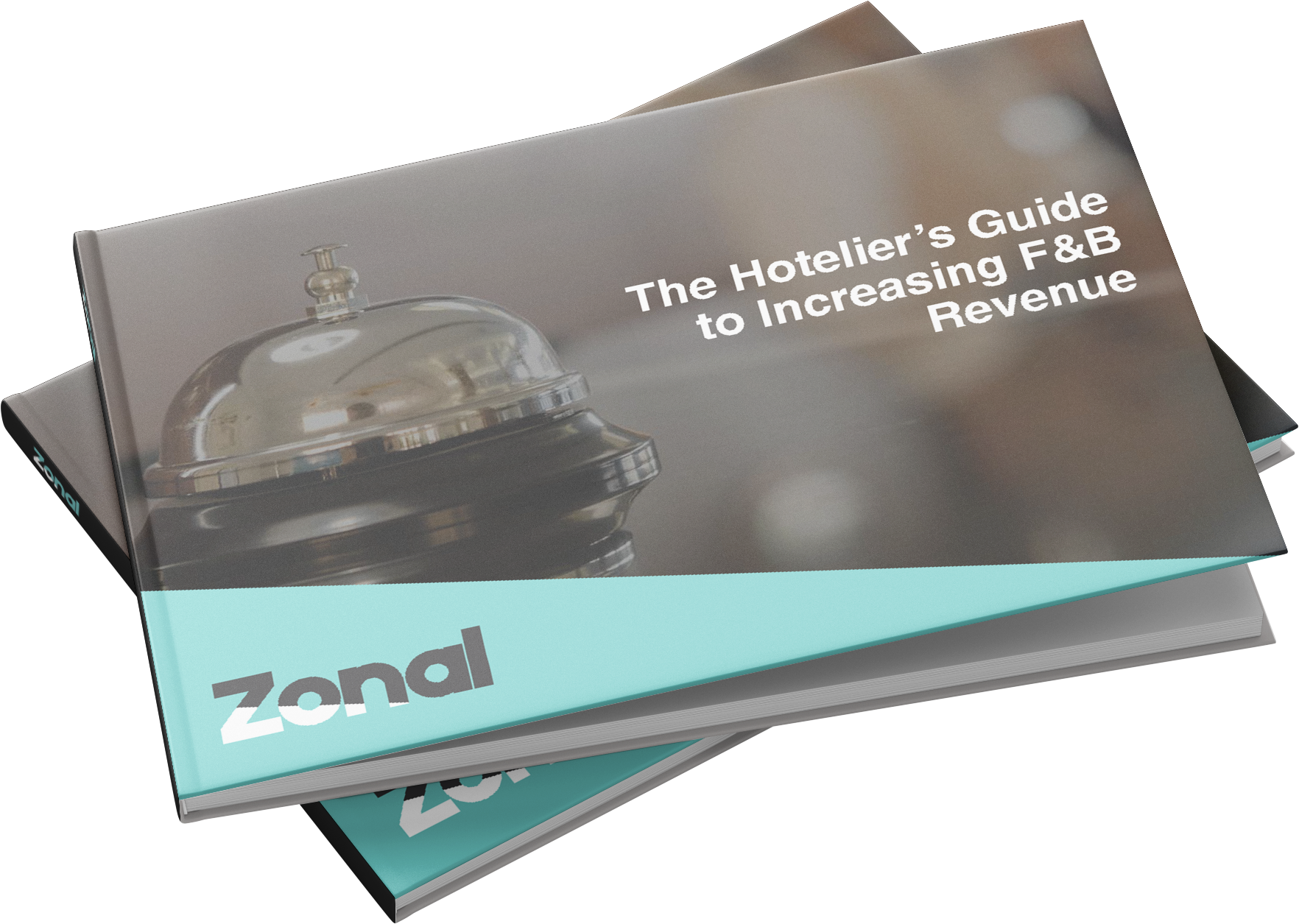
With 57% of consumers stating that an on-site restaurant or bar as a ‘must-have’ amenity when looking to book a stay in a hotel, F&B presents a significant opportunity for hoteliers to drive revenue and increase guest spend. But it’s not just about having F&B on-site, it’s also about delivering great experiences and high-quality food and drink.
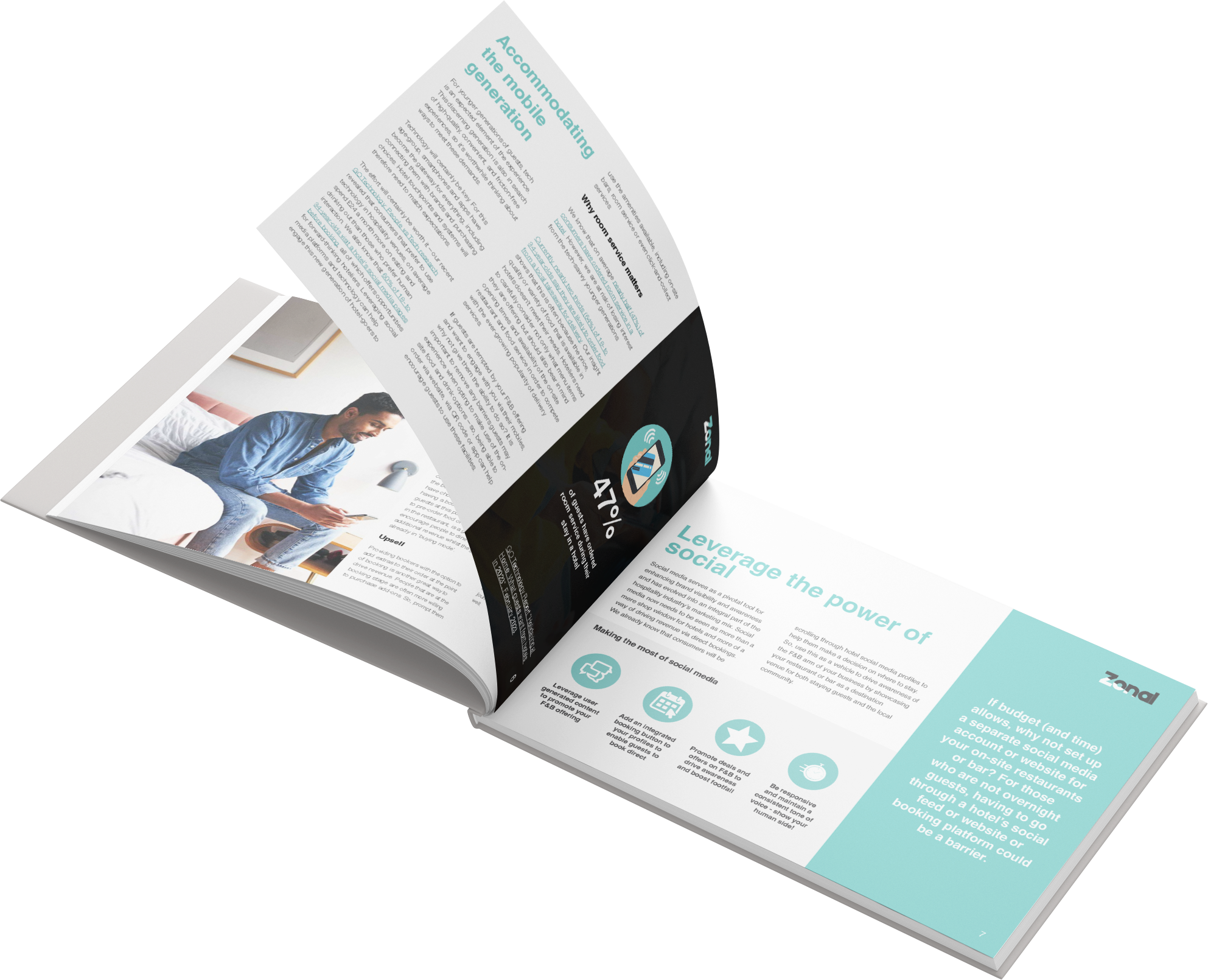
In this guide, we explore how you can maximise the appeal of your hotel’s F&B offering and drive revenue, including making the most of the booking journey to increase upselling, catering to guests’ demands for speed and convenience, and leveraging social media as a method of driving footfall.
Latest insight from leading hospitality technology partner Zonal, reveals that bookings for the Easter weekend are up by 40% compared to 2023 as consumers prioritise spending time in hospitality over the bank holiday weekend.
In 2023, insight from Zonal showed that bookings were up by 14% from 2022. Compared with a leap to 40% from last year, the data illustrates the continued importance of the Easter weekend for the hospitality industry, as it presents a golden opportunity to drive bookings, footfall, and revenue.
Across the four-day period, Easter Sunday remains the most popular date to book, with bookings up by a whopping 75% compared to 2022, and nearly 50% from 2023. However, it’s not just Easter Sunday experiencing a surge in bookings. Reservations on Good Friday are up 32% on 2023, Saturday by 43% and Easter Monday up by 26%, showing the opportunity for operators to drive footfall across the entire weekend.
Zonal’s most recent GO Technology report in partnership with UK Hospitality further demonstrates the important role hospitality plays during key calendar moments, with 44% of Britons wanting to spend time in hospitality venues to celebrate a special occasion. To capitalise on this, operators would benefit from implementing a digital booking system which provides real-time updates on table availability. This enables operators to better manage table covers, staff rotas, as well as facilitate any last-minute changes to bookings to maximise the potential to drive revenue over Easter weekend.
Commenting on the findings, Tim Chapman, Chief Commercial Officer, Zonal, said: “Our insights shows that Easter weekend continues to be an important calendar occasion for the hospitality industry. This year, Easter falls at the end of the month around payday which could provide one explanation for the rise in bookings. Given bookings could continue to increase over the next few days, operators would benefit from showing potential customers real-time availability of tables to make it easier for them to make bookings throughout the weekend and drive additional footfall over the bank holiday.”

Join the conversation and help us make no-shows a thing of the past
No-shows cost the hospitality industry an estimated £17.59 billion in lost sales every year. Join our group of passionate industry supporters to help spread the message far and wide and encourage customers to #ShowUpForHospitality.
The current economic headwinds have made protecting margins more essential to hospitality businesses than ever before, but the right technology, in the right place, can help operators both maintain profitability and create a more sustainable business for the future.
Zonal technology can be a vital tool in this drive. From better, more granular reporting, to digital stock checks, to recipe management, waste reduction and more, our systems can help maximise margins and deliver more revenue.
Here are 10 ways Zonal systems can help you be as profitable as possible:
In today’s economic climate, no business can afford to have cash tied up in too much stock or to have items on the menu that just aren’t shifting. Integrated tech systems enable you to monitor the performance of the items you are selling right down to a product level, in real-time. This data will give you all the information you need to make informed decisions around pricing and ordering to boost margins and make potential savings on recipes or suppliers.
Fully integrated tech that can collate customer spend data from across all your different ordering channels makes reporting much easier, and allows you to more effectively plan staff and inventory requirements. This valuable data provides a view, not just of how your products are performing, but also insights such as what dates and times spend per head is at its highest, via which ordering channels, or the promotions that drive the most spending increases.
With recruitment, retention and the cost of staffing an ongoing challenge, any technology that eases the strain on teams whilst helping them achieve more will be an invaluable tool. Order and pay-at-table technology is already a preferred option for many customers and can do just that – taking part of the task performed by front-of-house teams and transferring it to customers. At the same time, mobile order and pay technology can actually increase consumer spend which means it can deliver increased yield from available capacity and a better bottom line.
Times when there are few bookings and little walk-in trade, can be turned into an opportunity for operators with the right technology. With systems that integrate your delivery and click & collect channels, you can increase order capacity on the fly during quieter periods – and decrease it at times when tables are full. This ensures you aren’t leaving any potential revenue on the table or in the takeaway bag, as well as maintaining productivity for the staff you have working.
Waste of some kind is inevitable, but minimising it is key to maximising margins. One area to look for improvements is in order fulfilment – minimising how much of your stock is going to waste during this stage can provide sizeable savings. Technology that has been designed specifically for use in pubs, bars and restaurants can help here. Such tech enables you to identify exactly where wastage is happening during food preparation, so you can take action before the costs start to add up.
Everybody makes mistakes and, while it’s impossible to completely eliminate the potential for errors (no matter how well designed the processes are), the right tech can help. Systems like ours enable you to track staff activity at all points, right down to a button-press level. This insight will help you identify common errors and any patterns of behaviour that may be causing issues, giving you the information you need to make improvements or to offer training to eliminate the issues.
By implementing a recipe management system that is integrated with your EPoS, you’ll have oversight of both sales and wastage data in one place. This will make it much simpler to spot cost-saving opportunities and make smarter, more informed decisions about menu options and pricing. This insight will also enable you to see sales trends as they emerge and to identify changing consumer patterns, helping you stay ahead of the market – and the competition.
A fully integrated tech stack draws product and pricing information from one central database. This means that any changes you make can be pushed out across the entire business in one go and with immediate effect. This ability to react in real-time, capitalising on any opportunities as they arise and addressing any challenges, will result in a more streamlined and agile business, and help you ensure you’re maintaining profitability as costs continue to fluctuate.
Operators often have large amounts of cash tied up in stock, so making sure you’re on top of stock levels is vital. Technology that automatically updates stock usage in real-time, allows you to identify which items see lots of usage and which don’t, and keep stock levels optimised. Smart systems can even give you estimates of how many days your current stock will last based on current usage data, helping you streamline your ordering and ensuring you don’t run out of anything important or leave cash tied up in stock that might go to waste.
Ordering stock from a number of suppliers, cross checking prices and delivery times is a huge drain on staff time and resources. Zonal’s end-to-end purchasing solution will allow your teams to manage approved suppliers within the system, including what products or ingredients they provide and at what price. This ensures staff are always ordering from the right supplier, at the right price and eliminating the possibility of incorrect ordering.
With our integrated technology working in the background to streamline processes, maximise efficiencies and minimise wastage, operators can be confident they have the systems in place to drive revenues and boost profits, even if the costs of doing business continue to rise.
Discover why Zonal is the best hospitality technology provider for businesses of all sizes

Data is an incredibly valuable tool for hospitality businesses. It can be used to improve any and every aspect of your business – grow margins, cut waste, streamline processes, acquire new customers, improve customer service and much, much more.
Nowhere, however, is data more valuable than when it comes to your customer journey. Data allows you to better understand your guests, helping you to remove their pain points, personalise their journey and create a more relevant experience which ultimately increases the likelihood they will become a loyal customer that returns again and again.
In this whitepaper, we explore the value data can bring to smaller hospitality businesses and how data can be used throughout the customer journey to improve experiences that keep guests coming back for more.



We’d love to show you how Zonal can help take your hospitality business to the next level. Contact our expert sales consultants using the form below, or call us now 0800 131 3400.