Serving Success: 10 Ways you can maximise your margins with Zonal's tech
The current economic headwinds have made protecting margins more essential to hospitality businesses than ever before, but the right technology, in the right place, can help operators both maintain profitability and create a more sustainable business for the future.
Zonal technology can be a vital tool in this drive. From better, more granular reporting, to digital stock checks, to recipe management, waste reduction and more, our systems can help maximise margins and deliver more revenue.
Here are 10 ways Zonal systems can help you be as profitable as possible:
1. Use real-time product sales and stock data to inform decisions
In today’s economic climate, no business can afford to have cash tied up in too much stock or to have items on the menu that just aren’t shifting. Integrated tech systems enable you to monitor the performance of the items you are selling right down to a product level, in real-time. This data will give you all the information you need to make informed decisions around pricing and ordering to boost margins and make potential savings on recipes or suppliers.
2. Analyse consumer spending patterns to plan more effectively
Fully integrated tech that can collate customer spend data from across all your different ordering channels makes reporting much easier, and allows you to more effectively plan staff and inventory requirements. This valuable data provides a view, not just of how your products are performing, but also insights such as what dates and times spend per head is at its highest, via which ordering channels, or the promotions that drive the most spending increases.
3. Reduce strain on staff and help them to be more productive
With recruitment, retention and the cost of staffing an ongoing challenge, any technology that eases the strain on teams whilst helping them achieve more will be an invaluable tool. Order and pay-at-table technology is already a preferred option for many customers and can do just that – taking part of the task performed by front-of-house teams and transferring it to customers. At the same time, mobile order and pay technology can actually increase consumer spend which means it can deliver increased yield from available capacity and a better bottom line.
4. Drive sales during quiet periods
Times when there are few bookings and little walk-in trade, can be turned into an opportunity for operators with the right technology. With systems that integrate your delivery and click & collect channels, you can increase order capacity on the fly during quieter periods – and decrease it at times when tables are full. This ensures you aren’t leaving any potential revenue on the table or in the takeaway bag, as well as maintaining productivity for the staff you have working.
5. Identify where wastage is happening
Waste of some kind is inevitable, but minimising it is key to maximising margins. One area to look for improvements is in order fulfilment – minimising how much of your stock is going to waste during this stage can provide sizeable savings. Technology that has been designed specifically for use in pubs, bars and restaurants can help here. Such tech enables you to identify exactly where wastage is happening during food preparation, so you can take action before the costs start to add up.
6. Eradicate common errors
Everybody makes mistakes and, while it’s impossible to completely eliminate the potential for errors (no matter how well designed the processes are), the right tech can help. Systems like ours enable you to track staff activity at all points, right down to a button-press level. This insight will help you identify common errors and any patterns of behaviour that may be causing issues, giving you the information you need to make improvements or to offer training to eliminate the issues.
7. Identify cost saving opportunities in the kitchen
By implementing a recipe management system that is integrated with your EPoS, you’ll have oversight of both sales and wastage data in one place. This will make it much simpler to spot cost-saving opportunities and make smarter, more informed decisions about menu options and pricing. This insight will also enable you to see sales trends as they emerge and to identify changing consumer patterns, helping you stay ahead of the market – and the competition.
8. Change pricing and promotions in real time across the business
A fully integrated tech stack draws product and pricing information from one central database. This means that any changes you make can be pushed out across the entire business in one go and with immediate effect. This ability to react in real-time, capitalising on any opportunities as they arise and addressing any challenges, will result in a more streamlined and agile business, and help you ensure you’re maintaining profitability as costs continue to fluctuate.
9. Automatically calculate real-time stock usage
Operators often have large amounts of cash tied up in stock, so making sure you’re on top of stock levels is vital. Technology that automatically updates stock usage in real-time, allows you to identify which items see lots of usage and which don’t, and keep stock levels optimised. Smart systems can even give you estimates of how many days your current stock will last based on current usage data, helping you streamline your ordering and ensuring you don’t run out of anything important or leave cash tied up in stock that might go to waste.
10. Ensure stock is always being ordered from the right suppliers, at the right price
Ordering stock from a number of suppliers, cross checking prices and delivery times is a huge drain on staff time and resources. Zonal’s end-to-end purchasing solution will allow your teams to manage approved suppliers within the system, including what products or ingredients they provide and at what price. This ensures staff are always ordering from the right supplier, at the right price and eliminating the possibility of incorrect ordering.
With our integrated technology working in the background to streamline processes, maximise efficiencies and minimise wastage, operators can be confident they have the systems in place to drive revenues and boost profits, even if the costs of doing business continue to rise.
Click here to take a quick 5-minute self-assessment to see how your current tech stacks up in the above areas!

blog
Serving Success: 10 Ways to reduce admin time using Zonal technology
No one gets into the hospitality business to fill out spreadsheets, but admin is a vital part of running any successful business. Zonal technology can help automate admin tasks, increasing overall efficiency, reducing human error, and saving you, and your teams, valuable time – here are 10 ways how.
blog
Serving Success: 8 Ways to boost revenue using Zonal technology
Tech doesn’t just save you time and make admin easier. It can have a direct, beneficial impact on your bottom line. From generating incremental sales and tapping in to additional revenue channels, to optimising ordering journeys and increasing upselling opportunities, discover 8 ways Zonal’s technology can help you boost revenue in your business.
The Zonal Difference
Discover why Zonal is the best hospitality technology provider for businesses of all sizes
Transform your guest experience with in-depth customer insights
Streamline operations with one connected technology ecosystem
Stay trading from open till close with always-on trusted customer support
Subscribe to get the latest news, product announcements and industry updates
Whitepaper: Why data matters to small hospitality businesses

Discover the importance of data for hospitality businesses, and how it can be used to improve the customer journey and build loyalty
Data is an incredibly valuable tool for hospitality businesses. It can be used to improve any and every aspect of your business – grow margins, cut waste, streamline processes, acquire new customers, improve customer service and much, much more.
Nowhere, however, is data more valuable than when it comes to your customer journey. Data allows you to better understand your guests, helping you to remove their pain points, personalise their journey and create a more relevant experience which ultimately increases the likelihood they will become a loyal customer that returns again and again.
In this whitepaper, we explore the value data can bring to smaller hospitality businesses and how data can be used throughout the customer journey to improve experiences that keep guests coming back for more.


What's in the whitepaper?
- How to build a more detailed database of your customers
- Tips on using data to improve your customer journey
- The revenue-driving opportunities data can bring
- How data can be used to encourage loyalty and repeat visits
Discover more useful content

webinar
Inside Intelligence: Navigating the world of data to help you scale
In this webinar, Jonathan Grant, Director of Technical Sales at Zonal and Susie Clark, Head of CRM at Ignite explore the importance of data and the ways in which data can be developed into key information which can ultimately benefit your customers and company through improving customer relationships and increasing revenue.

blog
Loyalty schemes in hospitality: What top CEOs think
Loyalty is currently a hot topic in the hospitality industry but there remains a lot of confusion. What do consumers mean when they say they are loyal to on-trade brands? Is it the same as for other retail brands? How can the sector create and maintain customer loyalty? Does it genuinely add value to the bottom line – or does it really just boil down to discounting? To answer these – and more – questions, we gathered eight of the industry’s top operators for a chat about all things loyalty.
Subscribe to get the latest news, product announcements and industry updates
See our connected technology in action
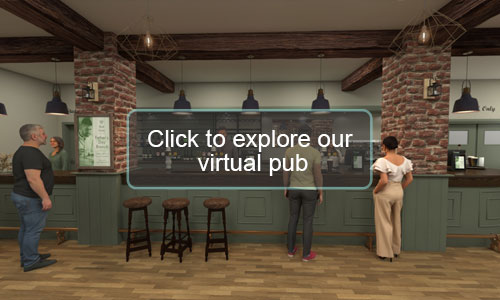
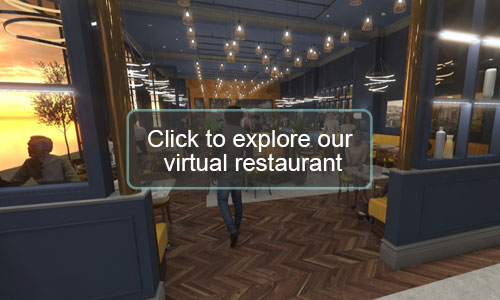
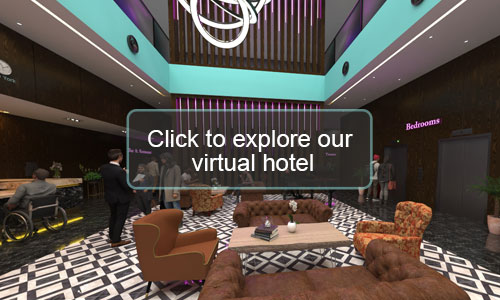
It can be hard to visualise all the different ways connected technology can improve both operations and guest experiences, so we thought we’d show you instead. Click below to explore our connected solutions through the eyes of your customers in our virtual pub, restaurant and hotel, and discover the benefits of integrated hospitality technology at every stage of the customer journey.
Subscribe to get the latest news, product announcements and industry updates
Serving Success: 8 Ways to boost revenue using Zonal technology
Tech doesn’t just save you time and make admin easier. It can have a direct, beneficial impact on your bottom line. Having a range of ordering channels available to maximise capacity and orders, automating bookings processes and promotions, as well as collecting the right data from customers, are all quick-fire ways to pick up vital additional revenue for your business.
Discover eight ways that Zonal’s technology can ensure you’re not leaving any potential revenue on the table:
1. Generate incremental revenue with mobile order and pay technology
Not only do long waits in a queue or at the table to get a servers’ attention result in customer dissatisfaction or even complaints, but they can also result in lost sales. Enabling customers to order and pay through an app, or online by scanning a QR code, speeds up the process for guests and has also been proven to increase basket size, generating incremental revenue.
2. Tap into additional revenue channels
The appetite for click and collect and delivery food shows no sign of disappearing and operators that include this in their channel mix will be able to drive profit through these additional revenue streams, enabling guests to engage with you from the comfort of their own home, as well as providing supplemental revenue on quieter days in-venue. Zonal technology offers click and collect and can be fully integrated with third party delivery channels, enabling operators to manage them easily from one central location with minimal demand on staff or operational overhead.
3. Create specific order journeys per-product
Analysing data from menu and drinks sales is useful for operations of all sizes. Operators can analyse individual product performance to identify what is selling well and what is not so popular. Using this up-to-date data, operators can then take an informed view on which products to keep and which to remove, in order to minimise waste and maximise profits. The information can also be used to drive more effective upselling journeys, pinpointing opportunities for customer offers based on insights around their genuine preferences and purchasing habits. For example, offering deals on IPAs and your most popular pie dish.
4. Automate and personalise promotions for exact times, days and products
Personalised deals, offers and promotions are highly effective in driving extra revenue and footfall, however operators need data to facilitate them. Having fully integrated technology enables you to get information from all parts of the business and make decisions on which promotions to run based on genuine insight. For example, why not offer a discount on a customer’s favourite meal for their birthday?
With the right tech, the process can also be automated, meaning promotions can go live on specific days, specific times, and on specific products without the need for manual input every time. This will minimise the time needed to create and run deals and promotions and increase the chances of success.
5. Reduce no-shows by sending automated reminders to bookers
We know just how costly no-shows can be. Our research shows that it costs the hospitality industry a combined £17.59bn a year – and the total number of no-shows doubled between September 2022 and September 2023. One of the main reasons people don’t honour their reservations is because they simply forget about the booking. However, automatic reminders sent to customers at predefined intervals leading up to a reservation can help to ensure people don’t forget to turn up when the time comes and enable customers to simply and easily cancel or amend bookings, giving operators advance warning. These reminders can also be used to drive more revenue by offering additional extras via pre-orders such as champagne or nibbles on arrival.
6. Personalise the booking journey and increase upsells
Zonal’s online reservation platform enables operators to set up different bookable areas within their venue, allowing for example, a customer to secure a favoured table. Offering this level of personalisation helps contribute to creating a great customer experience. It also helps operators better manage bookings – ensuring the best tables are always filled. During the booking process, customers can also be given the option to customise their experience by pre-ordering food and drink or add-ons, encouraging customers to spend when they are in ‘buying mode’.
7. Enable guests to make a reservation directly through your social media accounts and Google business listings
Customers are no longer looking at social media accounts for research purposes only (although this continues to be a factor), these platforms are being increasingly used to facilitate bookings as well. In fact, over a third of consumers use social media to book tables, rising to more than half (53%) of 18 to 24-year-olds. Operators would benefit from ensuring their businesses are listed on Google and that they are active on social media, with their profiles including a link to a digital booking platform to convert more browsers into bookers.
8. Facilitate the redemption and reconciliation of gift cards and vouchers at any point of sale
Gift cards and vouchers can be a fantastic way for loyal customers to introduce friends and family to your brand, or to encourage repeat visits and increase revenue. Zonal’s gift card solution, Toggle, and voucher platform, Voucher Manager, are seamlessly integrated with our EPoS and wider suite of technology, enabling customers to redeem their vouchers and gift cards easily – whether it’s at the bar, on an app, or at the table with your waiting staff – ensuring a smooth, frictionless experience that leaves a great lasting impression once they’ve left the venue.
Click here to take a quick 5-minute self-assessment to see how your current tech stacks up in the above areas!
Related resources
blog
Serving Success: 10 Ways to reduce admin time using Zonal technology
No one gets into the hospitality business to fill out spreadsheets, but admin is a vital part of running any successful business. Zonal technology can help automate admin tasks, increasing overall efficiency, reducing human error, and saving you, and your teams, valuable time – here are 10 ways how.
blog
Serving Success: 10 Ways you can maximise your margins with Zonal's tech
Zonal technology can be a vital tool in this drive. From better, more granular reporting, to digital stock checks, to recipe management, waste reduction and more, our systems can help maximise margins and deliver more revenue. Here’s 10 ways Zonal systems can help you be as profitable as possible.
The Zonal Difference
Discover why Zonal is the best hospitality technology provider for businesses of all sizes
Transform your guest experience with in-depth customer insights
Streamline operations with one connected technology ecosystem
Stay trading from open till close with always-on trusted customer support
Subscribe to get the latest news, product announcements and industry updates
Serving Success: 10 Ways to reduce admin time using Zonal technology
No one gets into the hospitality business to fill out spreadsheets, but admin is a vital part of running any successful business. And, with staff in short supply and rising costs making every minute more precious than ever, finding ways to reduce time spent on admin has even more benefits.
Zonal technology can help automate admin tasks, which increases overall efficiency, reduces human error, and saves operators, and their teams, valuable time – and here are 10 ways how…
1. Export sales and revenue figures from your EPoS directly into your accounting system
Manually inputting sales figures from an EPoS into a separate accounting system is a laborious task. With Zonal’s smart, integrated EPoS solution, you can import this data directly into your accounting software, eliminating the need for a staff member to manually complete this task. Not only does this save valuable hours that could be better spent elsewhere, but it reduces the risk of human error too.
2. Keep track of employee start/finish times
Zonal’s technology can remove the headache of keeping on top of employee start and finish times by tracking exactly when your staff clock in and out directly in the POS. This means no more managing multiple timesheets and reconciling against rotas. Plus, staff hours can be easily accessed from one central location for easy reporting.
3. Manage stock ordering from one central platform
Maintaining stock counts and ordering new stock is a major time commitment for operators. However, having a digital stock management system provides tighter controls, as the entire ordering process can be managed end-to-end from one system and real-time reports mean operators can react quickly to low or surplus stock levels. This eliminates time spent checking discrepancies between systems, speeds up the whole ordering process with managed supplier lists and order templates, and results in less wastage and less cash tied up in stock.
4. Gain access to a comprehensive reporting suite to monitor business performance and metrics
Analysing your business’s performance is vital to maintaining a successful operation but collecting and collating all that data can be time-consuming. Operators that have a fully integrated suite of tech with powerful analytics and a digestible reporting solution can go a long way to making business evaluation a much simpler task. Zonal’s technology has the ability to generate reports on different areas of the business and automatically send these out to key members of staff. Not only can this be done quickly, but the real-time reporting means better and faster decision making, and seamless integration between our entire ecosystem of tech provides 100% data accuracy, meaning you’ll always be working with one version of the truth.
5. Auto-reconcile matching orders and invoices
A powerful stock ordering system like the one included as standard in Zonal’s EPoS, will automatically reconcile matching orders and invoices, helping to cut down time spent on manual checks each week, reducing mistakes and freeing up staff from what would previously have been a time-consuming task. This leaves everyone on the team with more time to focus on delivering great experiences for customers.
In addition, having the right tech in place can simplify managing approved suppliers. Being able to automatically reconcile matching orders and invoices or set up order templates can help to save a significant amount of time each week.
6. Get direct control over digital ordering channels to limit or increase your capacity
With a fully integrated tech stack, you have full control over which channels send orders through to the kitchen from one central location. Technology such as Zonal’s enables operators to turn off online ordering during busy periods to allow your staff to keep up with order fulfilment and focus on providing great customer service to those in-venue. This means less stress on the kitchen team and fewer customer complaints. What’s more, with full integration between our digital ordering channels and EPoS, product availability will automatically be updated as sales are made and stock is depleted, meaning your staff won’t need to spend time updating multiple channels if items go out of stock.
7. Remove the need for staff to re-key orders
Integrated hospitality technology like Zonal’s can help speed up service and save staff time. Integrating ordering and payment channels across the business with the main EPoS means staff don’t need to repeat the same task for each ordering channel. In addition, pushing live product availability from your stock management system to your tills and staff handheld ordering devices, means the team will have up-to-the-minute information on stock availability. This results in no wasted time going to the EPoS with orders only to then find out certain menu items are not available and fewer complaints from customers who tell us that one of their biggest bugbears in hospitality is ordering a dish, only to then find out it isn’t available.
8. Remove the headache of finance auditing (and save money) with clear and concise cash and finance workflows
Finance auditing can be time consuming and laborious, however our tech provides complete oversight of how cash is moving through your business. From being able to define by venue whether floats are being used, allowing you to allocate a value and track it through trade; to approval workflows, allowing senior staff to check all expenses are valid and approved, Zonal technology can provide you with the control and oversight you need to effectively manage your business’s finances.
9. Facilitate bookings easily with EPoS-integrated booking and deposit ledger management
Access all the information you need to manage reservations or orders from other channels in one central location, removing the need for staff to check multiple systems and reducing the potential for mistakes. When it comes to bookings, operators can better manage staff rotas with real-time oversight of reservations. A digital booking system also enables customers to edit, manage or cancel their bookings easily, removing the need for staff to update information manually and reducing the chances of no-shows. We know that no-shows are costly for the industry – £17.59bn a year, in fact, with figures having doubled between September 2022 and September 2023.
10. Manage products and pricing from one central location
Keeping on top on products and pricing is a key factor for maintaining a successful business especially when margins are tight, but it’s a task that can be time-consuming, and costly if not done properly. Implementing Zonal’s integrated set of tech solutions allows operators to manage and update product and price information in one central location. What’s more, native integration between Zonal’s EPoS and wider suite of technology means all systems are updated in real-time, including across all consumer-facing channels, which saves operators and their teams time from having to replicate this task across multiple systems.
Technology should do the heavy lifting for staff and operators, freeing up their time to focus on delivering great customer experiences, and providing operators with the tools as well as the headspace to think strategically about how to further improve businesses.
Click here to take a quick 5-minute self-assessment to see how your current tech stacks up in the above areas!
Related resources

tools
Assessment 1: Reducing administration tasks
Answer a few short questions to identify whether your tech helps you combat any admin time-sinks or manual tasks that could be automated. At the end you’ll get personalised guidance to help you maximise your staffing resources and remove the manual grind.
blog
Serving Success: 10 Ways you can maximise your margins with Zonal's tech
Zonal technology can be a vital tool in this drive. From better, more granular reporting, to digital stock checks, to recipe management, waste reduction and more, our systems can help maximise margins and deliver more revenue. Here’s 10 ways Zonal systems can help you be as profitable as possible.
The Zonal Difference
Discover why Zonal is the best hospitality technology provider for businesses of all sizes
Transform your guest experience with in-depth customer insights
Streamline operations with one connected technology ecosystem
Stay trading from open till close with always-on trusted customer support
Subscribe to get the latest news, product announcements and industry updates
Subscribe to get the latest news, product announcements and industry updates
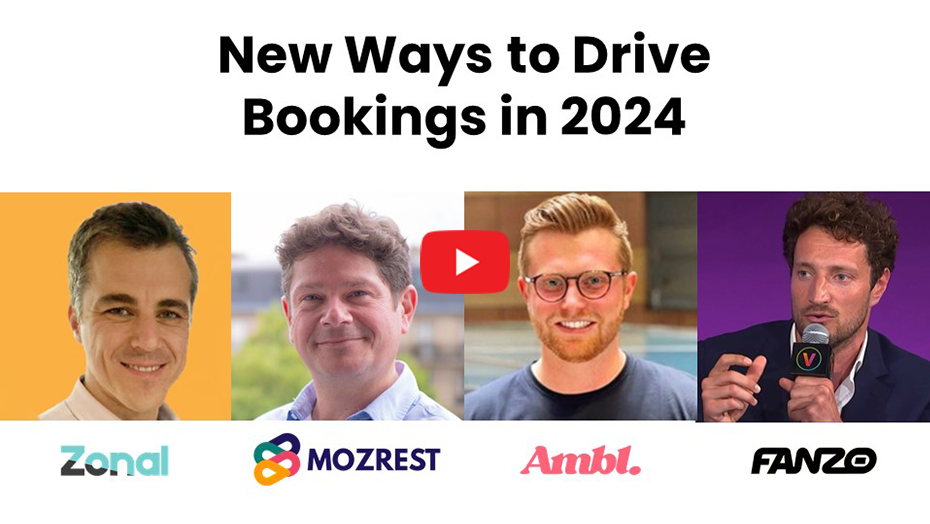
New ways to drive bookings in 2024
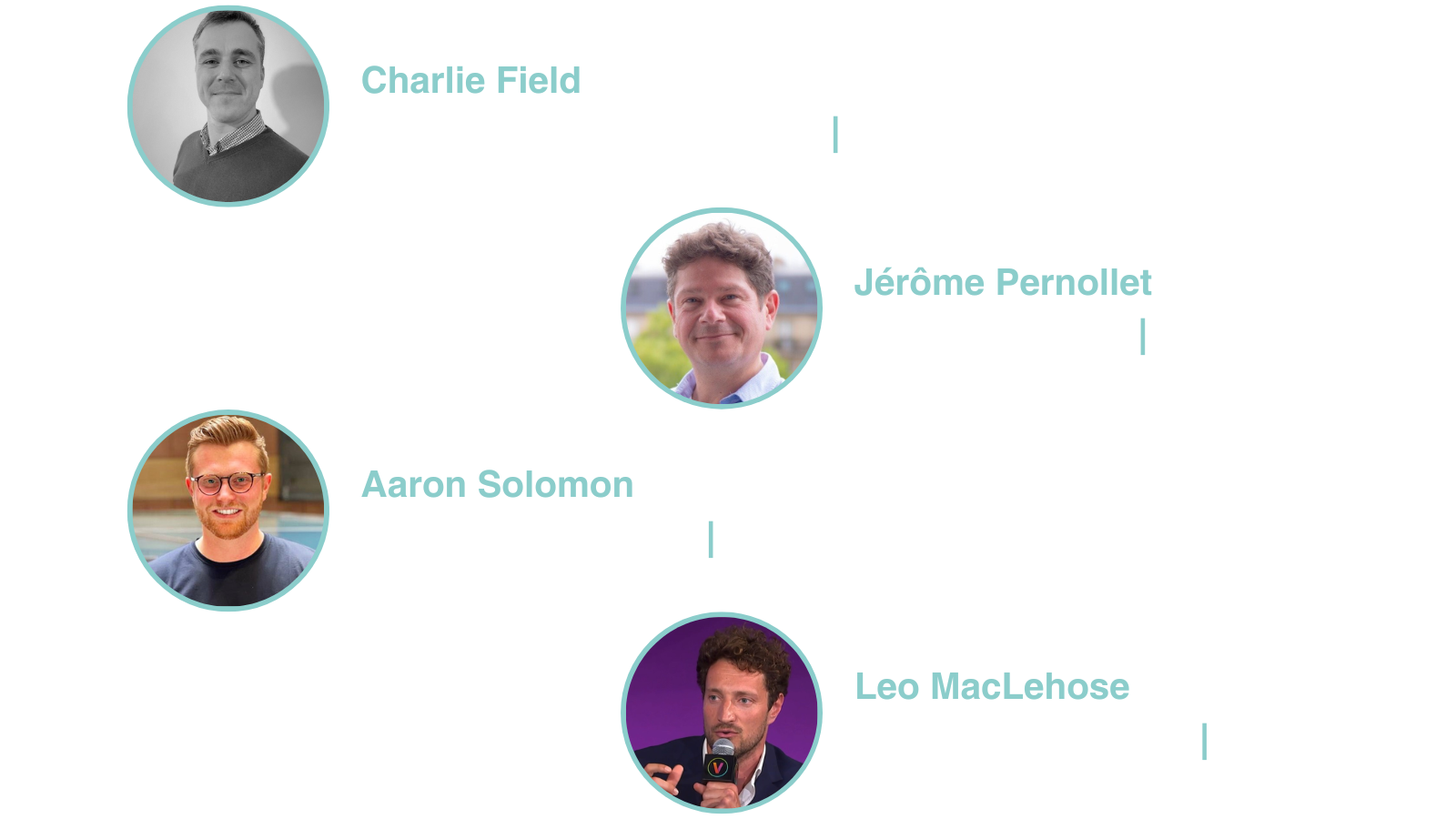
As 2024 kicks off in earnest, looking for ways to increase bookings and boost revenue will be top of mind for many hospitality businesses. Whether you’re looking to tap into new potential audiences, draw in sports fans on match day, or pick up last minute bookers to help combat the £17.6bn no-shows problem, technology can be a valuable tool in helping you to attract more customers through your doors, and drive additional revenue.
In this webinar, we’re joined by our partners at Mozrest, Ambl and Fanzo to talk through how hospitality businesses can utilise new solutions to generate more bookings and increase revenue, all integrated with Zonal Bookings.


Watch this webinar to discover:
- The revenue driving opportunities of integrated bookings technology
- Insights into different booking audiences
- How technology can help operators generate incremental bookings
- The benefits for operators of utilising multiple booking channels
Subscribe to get the latest news, product announcements and industry updates
Every month the Zonal Product teams release new and innovative features to our full suite of hospitality technology solutions, all aimed at helping our customers achieve their business goals, and ensuring everything in-venue runs as smoothly as possible.
For those who haven’t had the time to explore some of the great new functionality we’ve added to Zonal Bookings this year, we’ve summarised our top seven features released during 2023
1. Central reservations
If you manage multiple sites within an organisation and would benefit from central sales, then this one is for you. You can view and manage all your sites within the Events Host app without having to log in and out of each site. Views can be filtered by site, as well as all the usual handy options, in addition to allowing you to keep tabs on all your properties and their bookings in one space. Along with Central Res came the convenient feature of Labels. This allows users to assign labels to bookings internally. As opposed to Tags, Labels allows users to define the labels themselves – for example, by department or booking feature. What’s more, our invoicing functionality automatically creates an invoice for each reservation with the ability to link the invoice to all requirements including pre-orders and payments, decreasing the time spent manually inputting invoice requirements.
2. Tasks
Along with the “Central Reservations” feature, you can also assign tasks to bookings. You can add a To Do, email or to call prompt or a deadline to a booking. The task will pop up in your notifications tab at the top of your Host screen to remind you to complete at the set time. Perfect for chasing Christmas bookings, menus, or deposits.
3. User audit details in Tables
In addition to the current history button shown on a booking, you can now see details of which user has made changes to availability settings within Tables Host. If you use the pin lock option, then it will still show the name of the user who made the changes using their pin lock. No more questioning who or when a change to availability was made, with admin access, businesses can now view a complete audit trail to clear up any confusion.
4. Pre-order choices
For those using our pre-order functionality, a great addition to the guest place cards had been made, giving the site the option to print the guests’ choices onto their place card. A lifesaver for busy events – sites no longer need to worry about people forgetting their orders!
5. Menu and occasion exclusions
For any occasion you have created, you can also select up to 10 dates that you do not want that occasion to be available to book. So, for example if you have a standard restaurant occasion set up running every day but you have a special event coming up where you don’t want restaurant bookings to show online at the same time as your event you can add an exclusion for that day. A good example would be Christmas party nights – you would have a Christmas occasion running on specific dates in December and you wouldn’t want guests booking on a regular restaurant booking at the same time. This allows for increased flexibility and control over your occasions.
6. Table shuffle
The Shuffle feature within our Table Management solution has been further refined to enhance capacity optimisation and assist hosts in maximizing revenue while simplifying the process for staff. The latest updates to this functionality both ensured that shuffled tables remained within their designated areas, as well as taking this further to provide venues with the ability to shuffle tables per bookable area, granting hosts greater flexibility in managing their spaces and boosting overall capacity utilisation.
7. Improved guest portal
The Guest Portal in Group Bookings has seen notable updates this year to enhance the user experience. Hosts now can log in and manage guest activities, streamlining attendee additions by allowing bulk actions instead of individual entries. Venues can configure pre-ordering journeys in a booking by menu type by either requiring the organising guest to pre-order all items, or if they need to add each attendee who can then action this themselves, simplifying what can be a complex process. Moreover, the integration of our EPoS significantly benefits support teams, addressing issues related to deposit synchronisation. Additional improvements include extended email timing and enhanced management of time slots and events within the portal. These updates aim to provide more comprehensive functionality and ease of use for customers, creating a more efficient booking experience.
Find out more about Zonal Bookings, or get in touch today and our team of hospitality technology experts will be happy to talk you through what’s possible.

By Nicola Hair
Customer Success Consultant at Zonal
Nicola is a Customer Success Consultant at Zonal, using her 20+ years’ experience in Hospitality, Events and Hotels to assist Zonal's customers with our Bookings platform. Nicola works directly with our customers to ensure they are getting the full benefits of their solutions to enhance both their business and operations - consulting with existing customers to maximise their usage and understanding as well as guiding new customers through the set up process.
Related resources
webinar
The future of bookings & how to drive sales
In this bitesize webinar we explore how consumer booking behaviour has changed and how social media now plays a vital role in generating bookings, the importance of creating a frictionless experience for customers, and tips for operators on how to capitalise on current consumer trends to drive sales.

Subscribe to get the latest news, product announcements and industry updates
Influence, loyalty and technology: Key guest trends from 2023

An in-depth end-of-year review of the key findings from our 2023 GO Technology consumer research series
Consumer expectations of the pubs, bars and restaurants they visit are ever-changing, and 2023 has proven to be no exception to the rule. This year, consumers have been quick to change their behaviours to match the tightening of budgets brought on by the cost-of-living crisis, and as more and more consumers become digital natives, the shift towards more digital-led touchpoints has continued to grow.
In this in-depth review of our 2023 consumer research series, we explore the three key themes identified from our surveys of 5,000 hospitality consumers; from the influential consumers who make the decisions on where to eat and drink, to when guests prefer digital touchpoints to human interaction during the customer journey, and how guest loyalty has changed as a result of the cost of living crisis.

Download this report to discover:
- 2023’s key hospitality consumer trends
- What factors most influence consumers’ decisions on when and where to go out to eat and drink
- What makes consumers loyal to a brand or venue
- How technology can help enhance the guest experience
Explore our 2023 consumer research in full
Subscribe to get the latest news, product announcements and industry updates
No-shoes remain a blight for the industry, with our latest research in partnership with CGA by NiQ, showing that 12.3% of guests who make a booking don’t let venues know their plans have changed and proceed to no-show rather than cancel. These unfulfilled bookings are currently costing the industry an estimated £17.59bn in lost sales, however in reality, the impact is much more significant than that.
This figure doesn’t take into account food waste or overstaffing, for example, nor does it take into consideration the financial impact of lost business from keeping a reserved table for guests that will not arrive. And, unfortunately, there’s not much sign of improvement.
Our latest research has shown that the no-shows rate has doubled since August 2022, rising from 6% to the 12.3% figure mentioned before. This indicates a worrying trend as our industry faces continuing external challenges that will likely continue into 2024. Taking a deep-dive into the data, we can see that the worst affected sector, restaurants, account for over a quarter (27%) of businesses impacted, followed by food-led pubs at just under a quarter (24%).
Who are the no-shows?
Young people continue to be at the forefront of the no-shows problem, with 40% of guests aged between 18 and 34-years-old having admitted to being a no-show. This figure drops significantly the older the guest is – just 13% of 35- to 44-year-olds no-show, dropping further to 6% of 45 to 54 and 55 to 66-year-olds. For the entire 65s and over, the no-shows rate sits at only 3%.
This disparity is partially down to the fact that younger adults tend to make bookings more frequently than their older counterparts. In our previous research into consumer booking behaviours, 73% of 18- to 34-year-olds said that they’d made a reservation within the previous month — well above the national average of 60%, and of the older 65+ demographic at 52%. It may also be down to younger consumers remaining more spontaneous, with last minute changes to plans being more commonplace.
Interestingly those who more frequently visit restaurants, pubs and bars are more likely to be no-shows, with our most recent data showing 21% of those who go out weekly no-show, dropping to 10% for those who visit monthly and rising again slightly to 13% for those who visit less than once a month. Geographically, Londoners are the most likely to no-show.
What can be done about the problem?
Of those that have failed to show up for a booking, 16% simply forget about their booking. Sending out reminders appears to be one of the simplest and most obvious solutions to tackling no-show rates, with all the evidence suggesting that venues that send reminders ahead of time have far lower no-show rates than venues that don’t.
The timing of these reminders can be a key factor in their success. According to our research, the most popular timeframe for guests to receive a reminder is a few days in advance at 38%, followed by the day of the booking (28%) and a week in advance (11%). Systems can be set up to do this automatically, easing the pressure on staff and providing a better experience for guests.
Ensuring that it’s easy for customers to cancel their booking is another effective way of combatting no-shows. More than half (51%) of people prefer to cancel a booking digitally, so clearly signposting how and where guests can cancel should they need to can have a significant impact. This process should be simple, easy to navigate, and require just a few clicks to be truly effective.
Deposits can be another solution to the no-shows problem – albeit a more controversial one. When we last asked the public about this in our consumer research, we found that over half (51%) said they would be willing to pay a deposit to secure a booking, however with this remaining close to 50%, it remains a divisive issue. This changes, however, when it comes to booking for a large group or special occasion, with 65% willing to pay a deposit to secure a booking in these instances – however this drops down to 45% for casual occasions. 45% is still a significant number of customers, however, and so whilst deposits may not be the way to go for every venue, it’s worth keeping an eye on general consumer sentiment. This means that, whilst not a catch-all solution that would work in every type of venue, situational applications could be effective – such as large group bookings or special occasions – to put a safety net around these bookings and reduce the likelihood and potential of a no-show. However, it’s important not to be too heavy-handed with this approach, as guests likely won’t want to pay a deposit for a casual lunch if it’s not necessary.
Lessons learned from other industries could also provide options worth considering too – such as the practice of over-booking. Whilst there may be some hesitancy towards this, the data collected from reservation systems could be used to identify when, where and by how much you might be able to over-book whilst not impacting the guest experience. Whilst this may be a drastic change at first, customer acceptance would likely increase if adoption spread throughout the industry.

By Olivia FitzGerald
Chief Sales & Marketing Officer at Zonal

With a wealth of experience in technology and hospitality sales, Olivia leads Zonal's sales and marketing functions. Prior to joining Zonal in 2021, Olivia ran her own consultancy business and held previous roles including MD of Majestic Wine Commercial and UK MD at Planday. Passionate about using tech to enhance customers' experiences, Olivia has broad expertise in developing and implementing commercial strategies within the hospitality sector.

Join the conversation and help us make no-shows a thing of the past
No-shows cost the hospitality industry an estimated £17.59 billion in lost sales every year. Join our group of passionate industry supporters to help spread the message far and wide and encourage customers to #ShowUpForHospitality.
Related resources
webinar
How can hospitality businesses combat no-shows in 2023?
In this webinar, industry experts from Zonal, Mitchells & Butlers, and Bums on Seats, explore the current bookings landscape, the impact of consumer loyalty on no-shows, the importance of real-time booking availability, and share their advice on processes and procedures operators can start implementing today to start tackling no-shows in their business.